Maroquinerie Isèroise in Les Abrets
scroll
Maroquinerie Isèroise in Les Abrets (38)
“Artisanal practices form part of humanity’s heritage, carried across generations while adapting to new uses and the most innovative design”
It is out of a genuine interest in manual production methods that we rediscovered the essence of our own workshop practice: the architecture of workspaces. Artisanal practices form part of humanity’s heritage, carried across generations while adapting to new uses and the most innovative design. Some of these practices can become fertile ground for great modernity in a society where sustainability is emerging as one of the major challenges for the future. More than simply a new tool for work, we sought to design the framework of the artisan’s environment, to preserve the workshop spirit conducive to creation, and to provide the best possible comfort for the execution of manual work.
-
LocationLes Abrets, Isère, France
-
Date2015
-
Surface5,500 m²
-
CategoryIndustry
-
PartnersJFS Architectes / INEX (Fluids / Environmental Engineering Consultancy) / AR-C (Structural Engineering Consultancy) / ODC Economics / PEUTZ Acoustic Consultants / SLG Landscape
Architecture in the Service of Craftsmanship
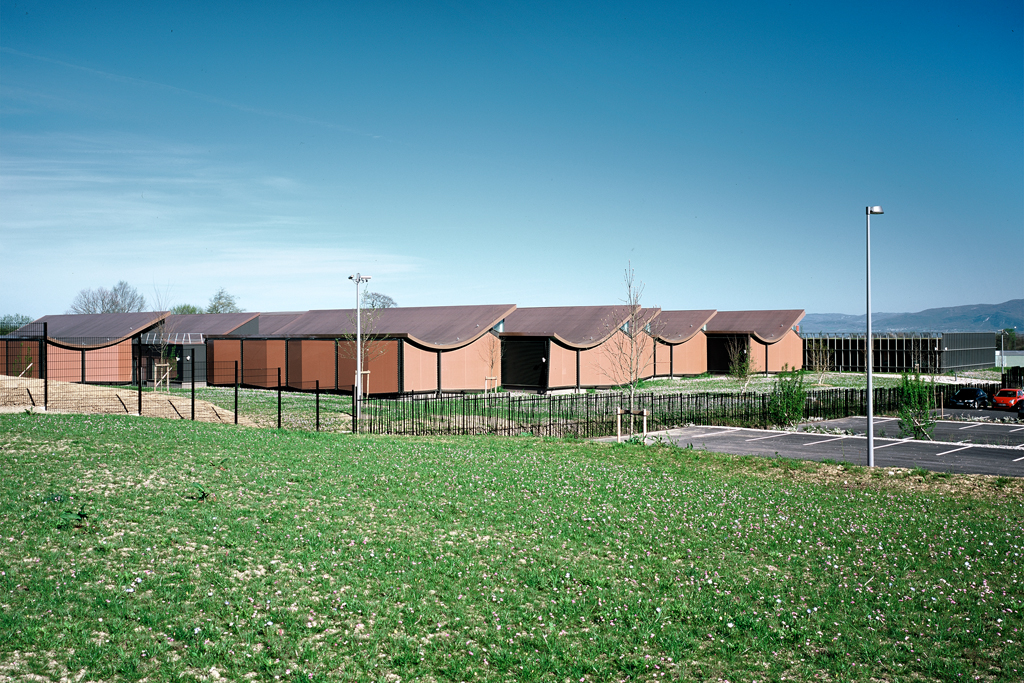
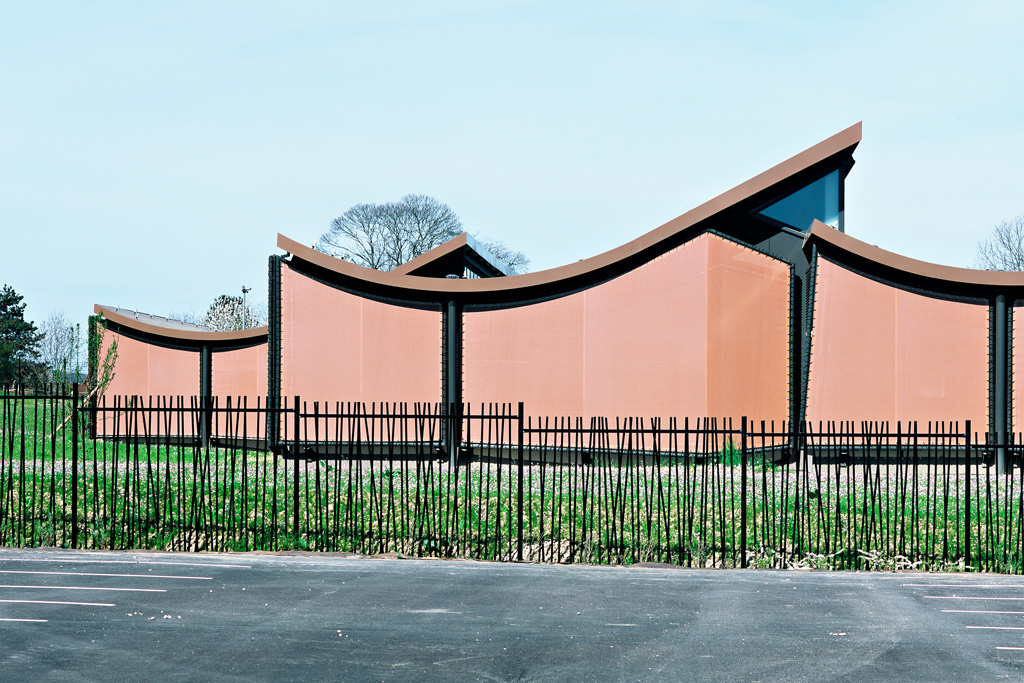
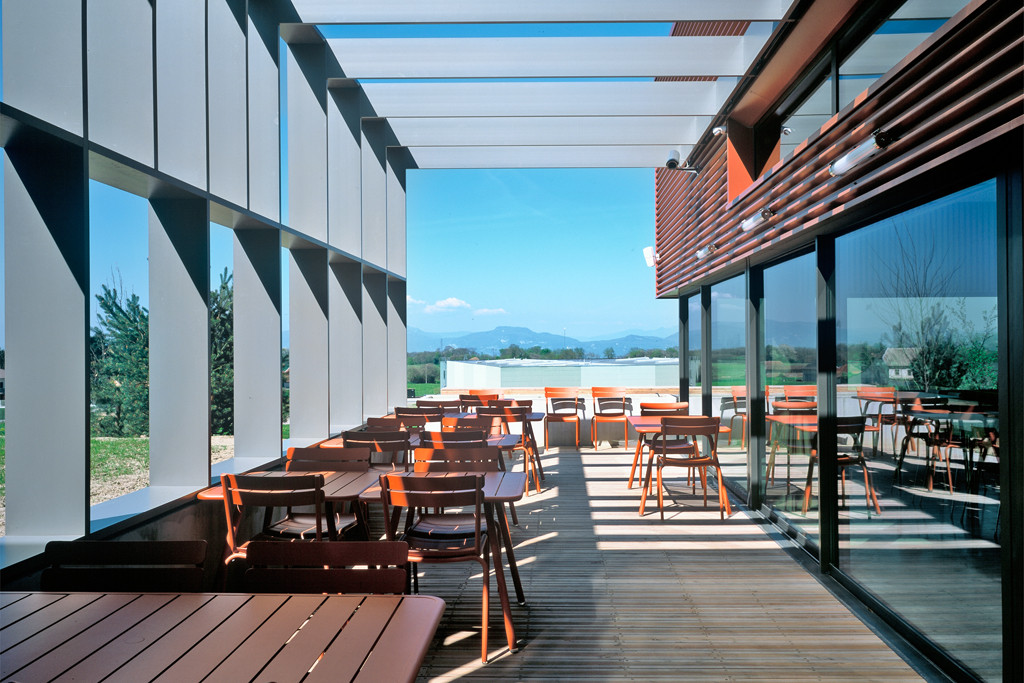
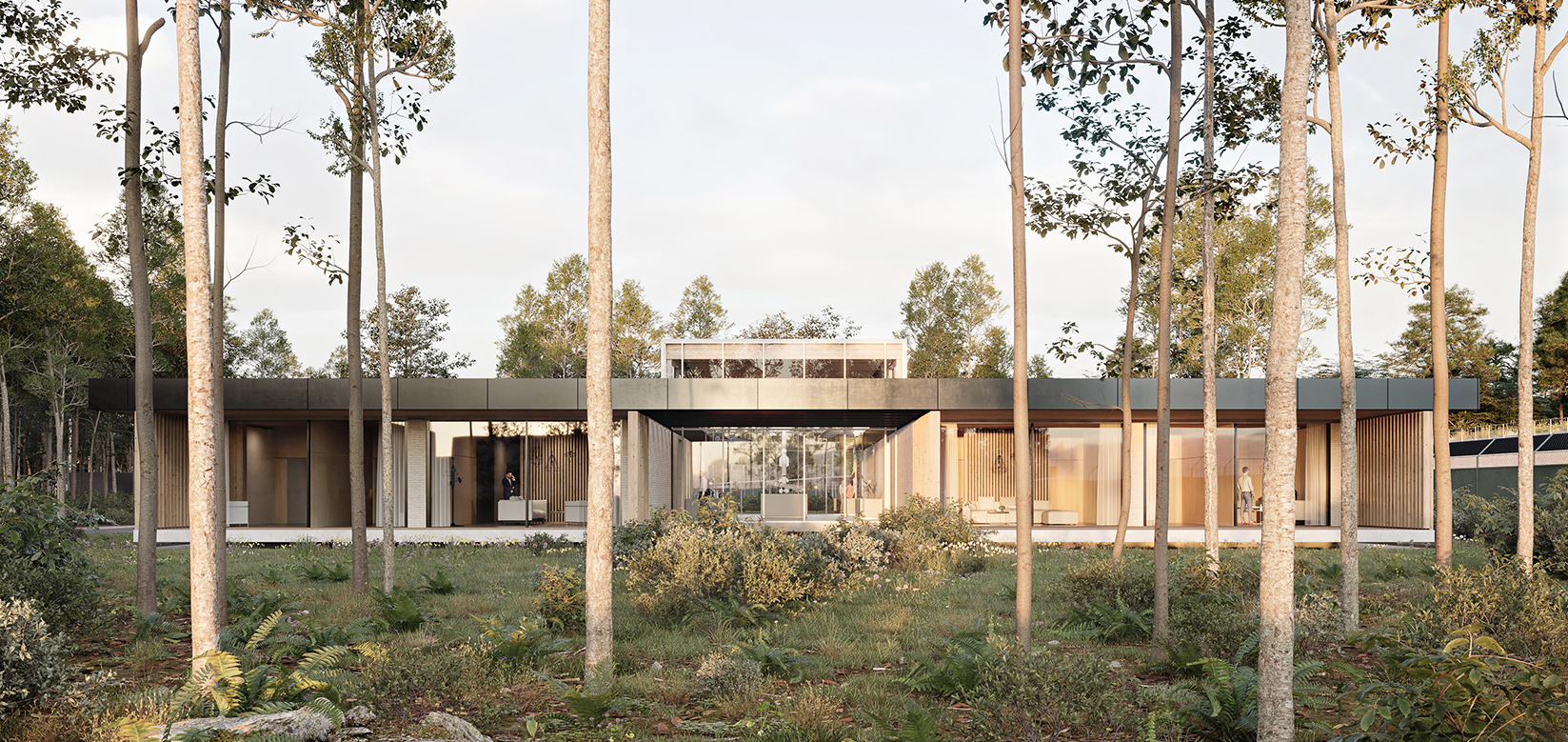
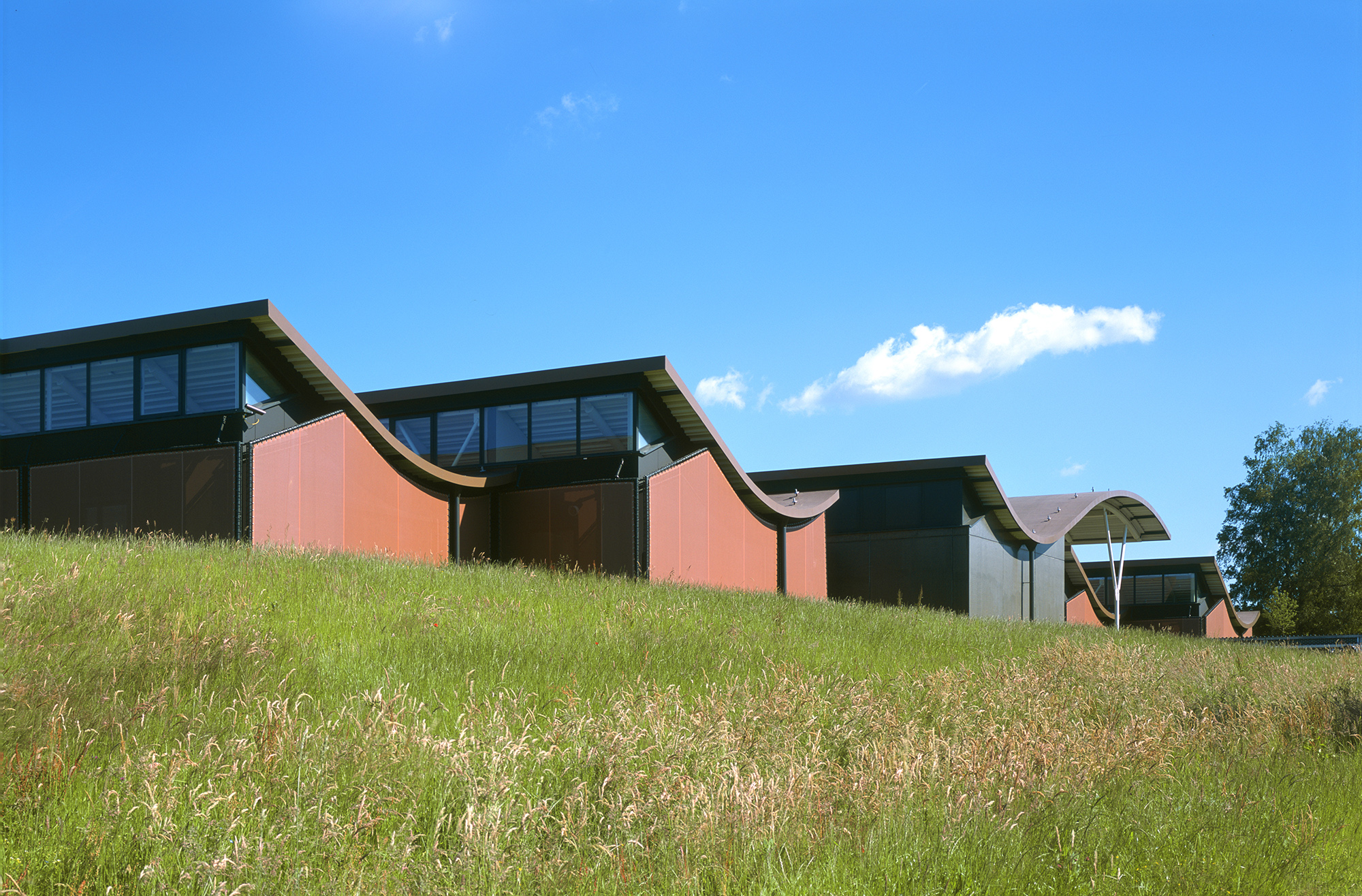
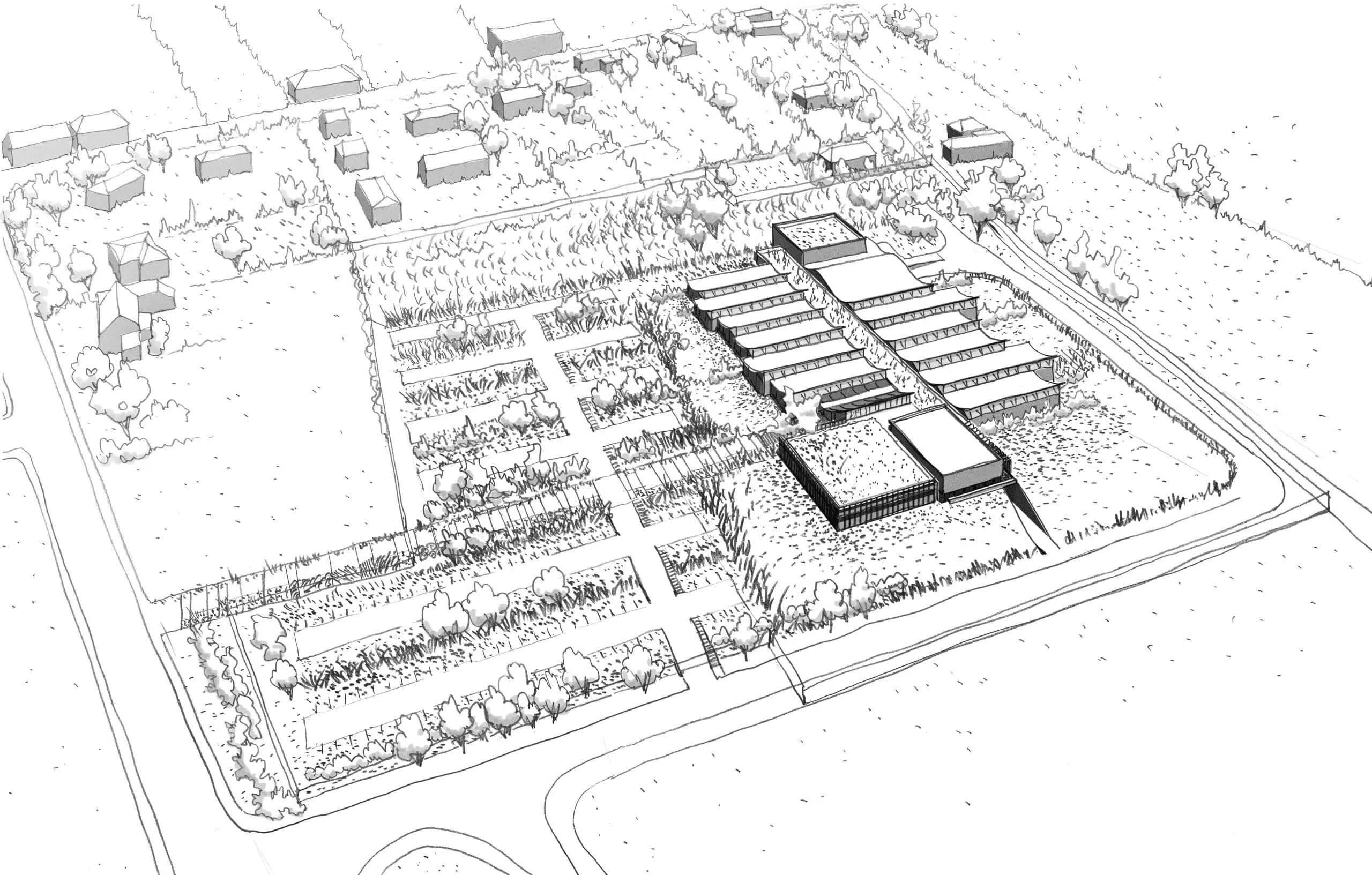
Acoustic, visual and thermal comfort, while fostering open spaces to address two inherent tensions: the artisan is unique, crafting nearly every piece almost entirely by hand, yet the workshop is a close-knit team in which everyone depends on one another. Our project therefore expanded in scope, guided by the following objectives: to serve the artisan while fully integrating into the new site in Isère from a social, environmental and cultural perspective. The commune is, moreover, reconnecting with its artisanal past: just a few decades ago, weaving and pottery activities were still present here. From a heritage standpoint, the installation of a 5,550 m² building on a 3.3-hectare site must allow for evolution over time. The structure must accommodate changes in work programs linked to evolving working methods, and its position on the site must allow for future extensions without disrupting the manufactory’s operations.
Sustainable Development
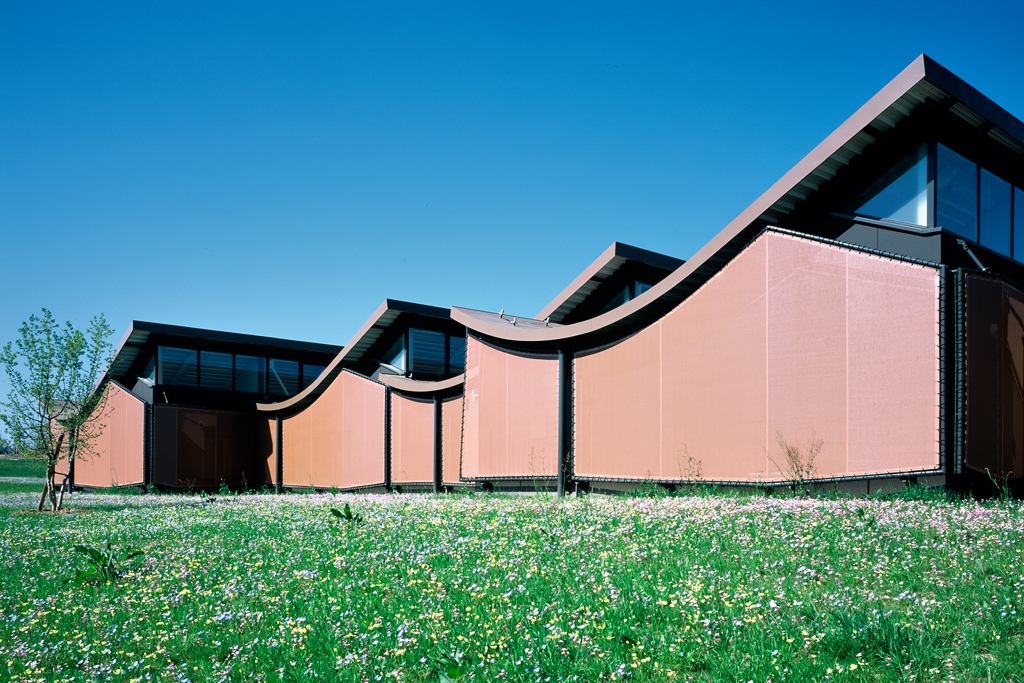
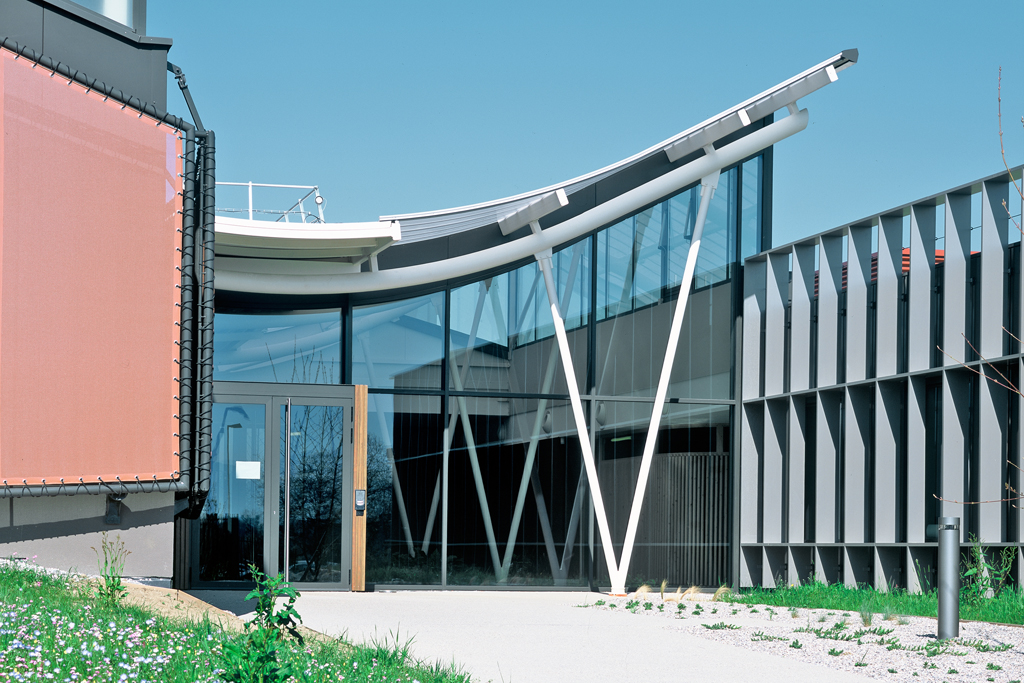
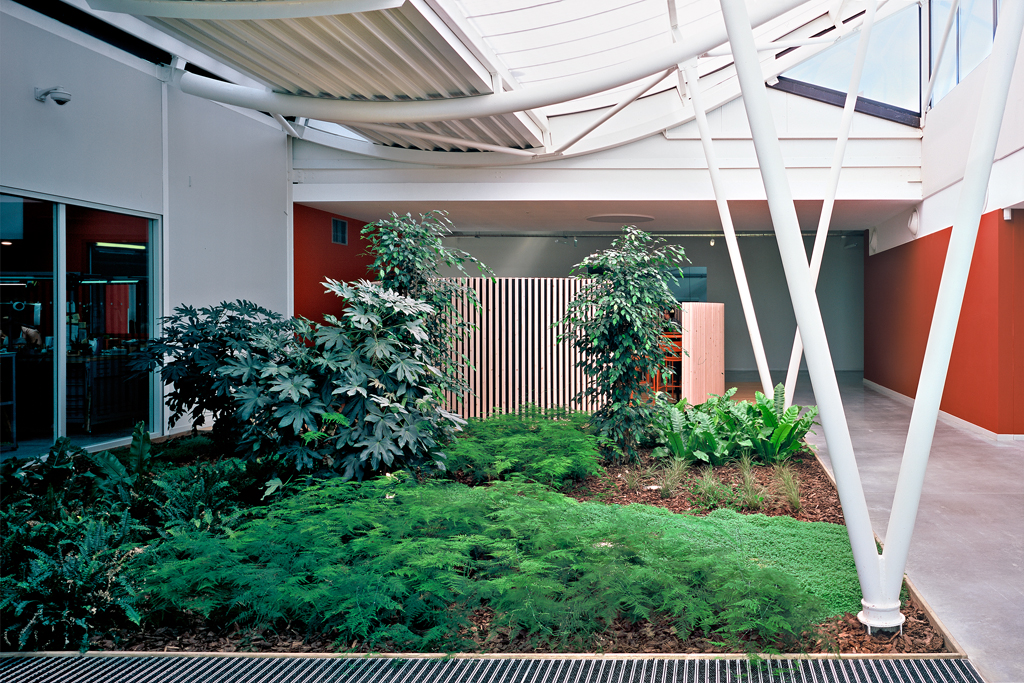
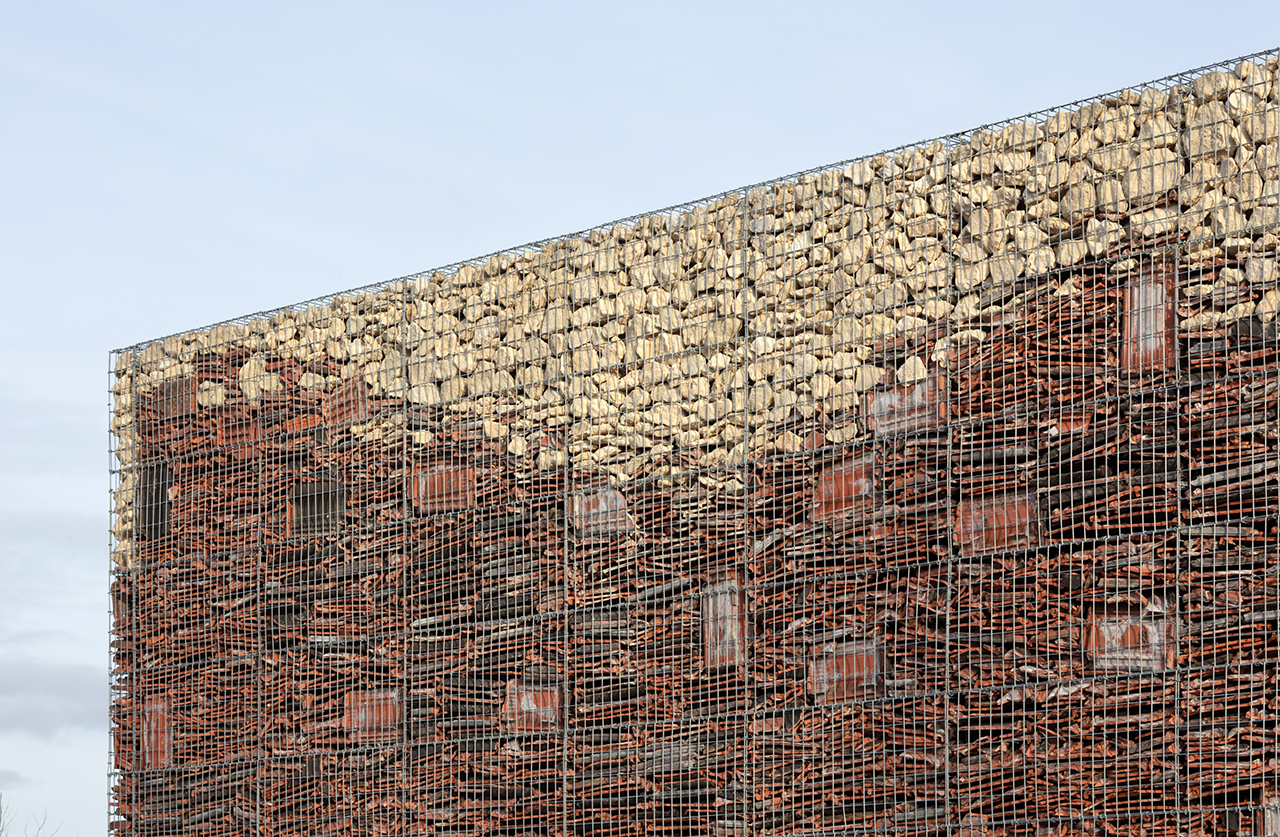
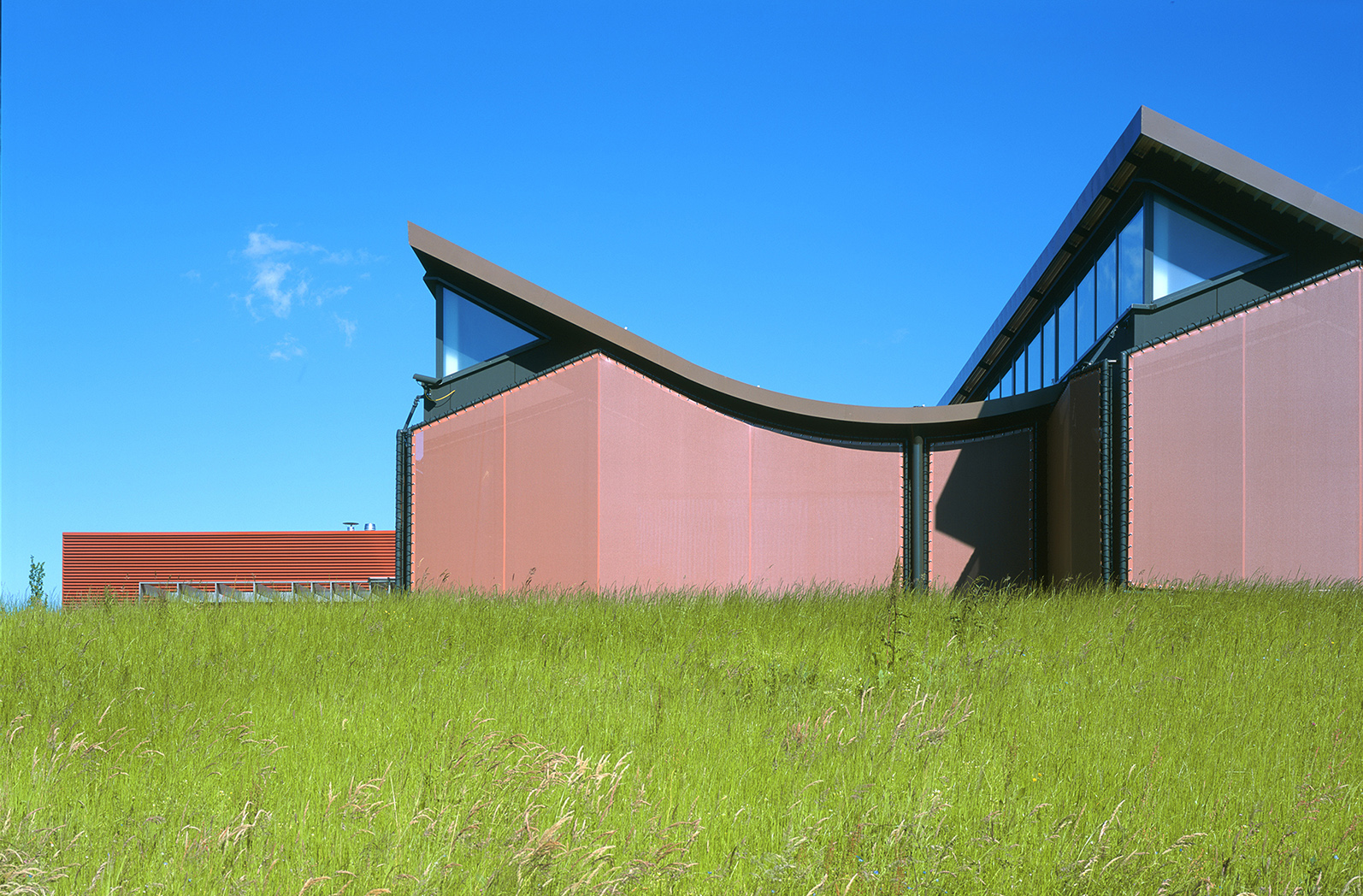
This was a primary concern in the service of our project’s sustainable development, in addition to its being certifiable. Rather than simply occupying the site with the leather goods manufactory, we paid close attention to the land itself, its slope, and the impact of our project on rainwater management. Finally, our project conveys an image true to the renown of this haute-couture house; this is what sets it apart from an ordinary manufactory—it is the dialogue it establishes with its immediate surroundings, the story it tells through its garden, its varied volumes and the skins of its different surfaces, which serve as its signature and make the application of a logo almost unnecessary.